

News
-
How to Avoid Common Problems of Molybdenum Parts i
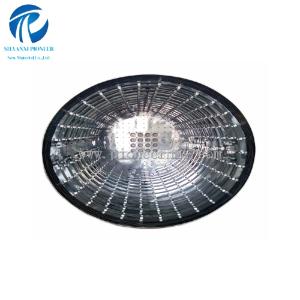
Learn how to avoid common problems of molybdenum parts in vacuum furnaces, including oxidation, deformation, cracking, and fastener failure. Discover practical solutions to improve the lifespan and performance of molybdenum furnace components such as heating elements, threaded rods, nuts, trays, and TZM alloy parts in high-temperature vacuum applications....Read more -
Why Do Molybdenum Heating Elements Warp in Vacuum
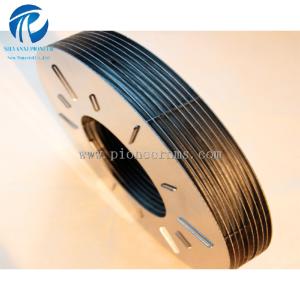
Molybdenum heating elements are widely used in vacuum furnaces for high-temperature applications, but warping and deformation can reduce furnace performance and service life. This article explains the main causes of molybdenum heating element deformation and provides practical solutions to improve durability, thermal stability, and vacuum furnace efficiency....Read more -
How Long Do Molybdenum Heating Elements Last in Va
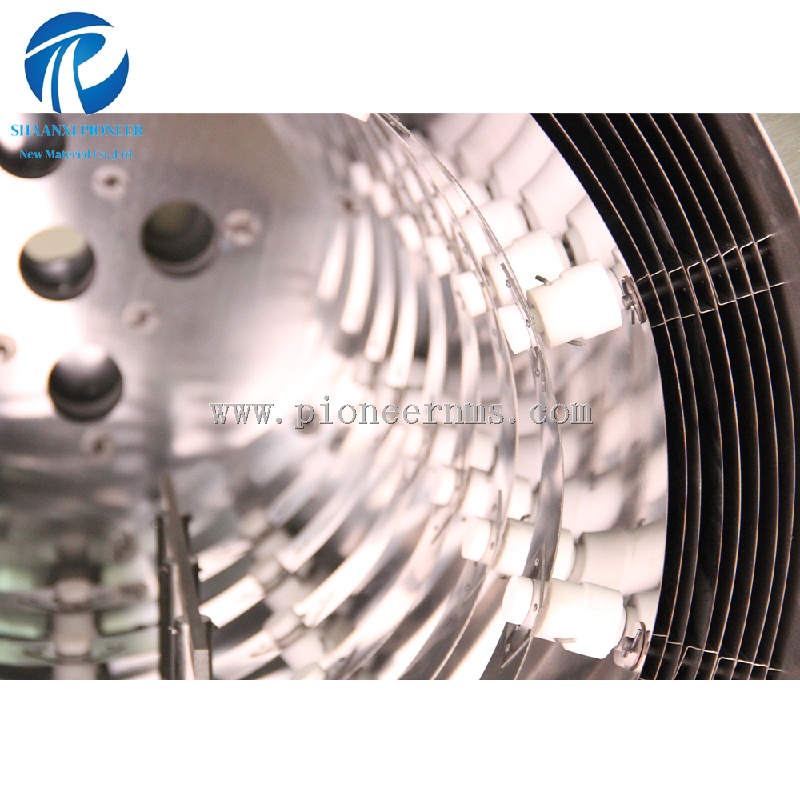
Discover how long molybdenum heating elements last in vacuum furnaces and what factors affect their service life. Learn maintenance tips, common failure causes, and best practices to maximize the performance of molybdenum furnace components....Read more -
Molybdenum vs Tungsten: Which Material Is Better f
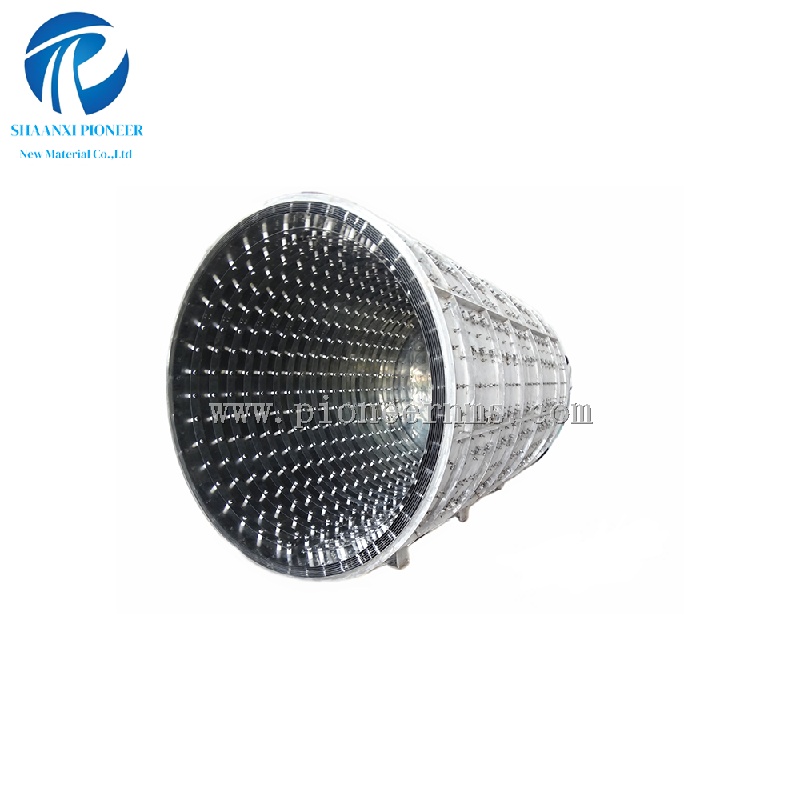
Compare molybdenum and tungsten for vacuum furnace applications. Learn the differences in temperature resistance, strength, cost, machinability, and performance to determine which refractory metal is best for your vacuum furnace components....Read more -
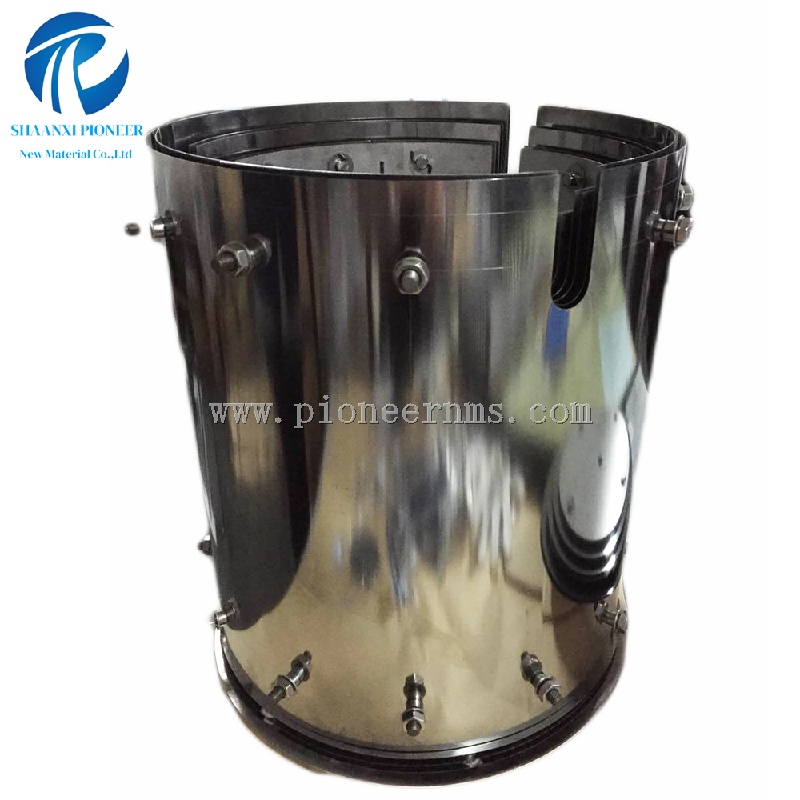
Molybdenum vs TZM Alloy: Which One Handles Thermal
Molybdenum vs TZM alloy: Which handles thermal stress better? TZM offers 250°C higher recrystallization temperature and twice the strength above 1100°C. Learn why TZM outperforms pure molybdenum in vacuum furnaces....Read more -
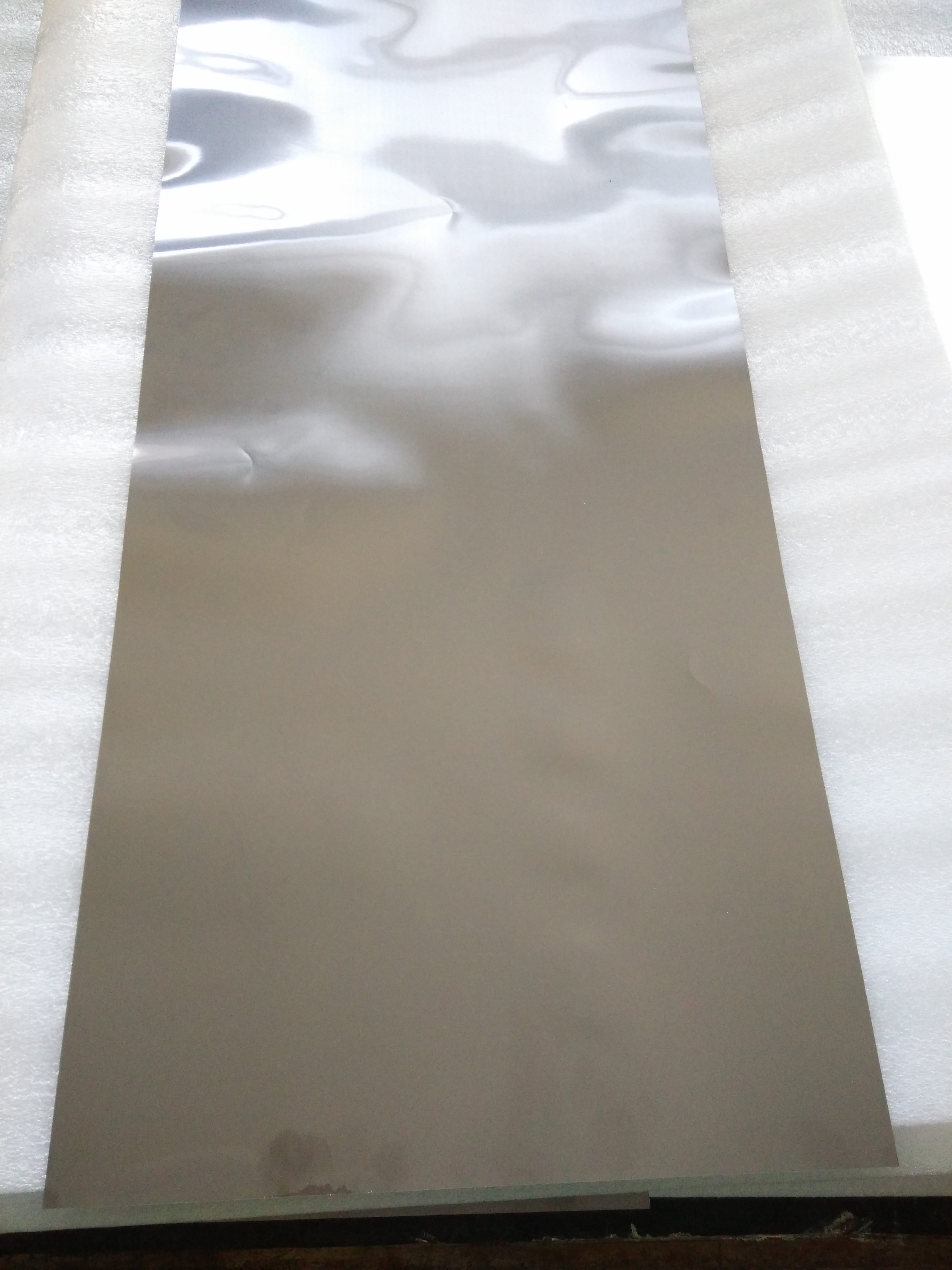
From Molybdenum Powder to 0.5 mm Molybdenum Sheet:
Learn how molybdenum powder is transformed into 0.5 mm molybdenum sheet through reduction, sintering, hot rolling, cold rolling, and annealing. Explore key factors affecting sheet quality and performance....Read more -

"Molybdenum Replaces Tungsten" Ignites A-Shares! W
SK Hynix's 375-layer 3D NAND replaces tungsten with molybdenum in word lines, igniting the "molybdenum replacing tungsten" concept in A-shares. Molybdenum plates offer 30%-50% lower resistance, no barrier layer required, and fluorine-free precursors. Samsung and Micron are following suit, with demand surging across NAND, HBM, and logic chips. Discover how molybdenum evolved from "vitamin of steel"...Read more -
Not Every Factory Can Manufacture a Ø750 mm Molybd
Discover how we manufacture a custom Ø750 mm molybdenum crucible for demanding high-temperature applications. Learn about the challenges, precision machining process, and custom manufacturing capabilities for vacuum furnaces, crystal growth, and metallurgy....Read more


