

Molybdenum heating elements are widely used in high-temperature vacuum furnaces because of their excellent thermal stability, high melting point, and low vapor pressure. They are commonly applied in vacuum heat treatment, sintering, brazing, and sapphire growth furnaces operating at temperatures above 1200°C.
However, one of the most common problems faced by furnace users is the warping or deformation of molybdenum heating elements after repeated high-temperature operation. Warped heating elements can affect furnace temperature uniformity, reduce service life, and increase maintenance costs.
So why does this happen, and how can it be avoided?
1. Excessive Operating Temperature
Although molybdenum has a very high melting point of 2623°C, its mechanical strength gradually decreases under long-term high-temperature conditions.
When the furnace temperature exceeds the recommended working range, especially during continuous operation above 1700°C, molybdenum heating elements may begin to sag, bend, or deform due to creep.
In many cases, local overheating caused by poor furnace design or uneven current distribution can accelerate the warping process.
Solution:
- Keep operating temperatures within the recommended range
- Avoid sudden overheating during startup
- Improve temperature uniformity inside the hot zone
2. Improper Structural Design
The structure and support method of heating elements play an important role in their long-term stability.
If the span of the heating element is too long, or the support spacing is insufficient, the element may gradually deform under its own weight during repeated heating cycles.
Thin molybdenum strips or rods are especially vulnerable to this issue.
Solution:
- Optimize support structure design
- Reduce unsupported length
- Use thicker or reinforced molybdenum materials when necessary
3. Thermal Expansion and Repeated Heat Cycles
Vacuum furnaces often operate through continuous heating and cooling cycles. During these cycles, molybdenum materials repeatedly expand and contract.
Over time, thermal stress accumulates and may lead to:
- bending
- distortion
- cracking
- joint loosening
Frequent shutdowns and rapid cooling can make the problem even worse.
Solution:
- Reduce unnecessary thermal cycling
- Use controlled heating and cooling rates
- Inspect fastening parts regularly
4. Material Purity and Processing Quality
The quality of the molybdenum material itself directly affects high-temperature performance.
Low-purity molybdenum or improperly processed materials may contain impurities, internal stress, or uneven grain structures, which reduce creep resistance and mechanical stability.
Poor welding or machining quality can also create weak points that deform more easily during operation.
Solution:
- Choose high-purity molybdenum materials
- Work with experienced manufacturers
- Ensure proper stress relief during processing
5. Furnace Contamination and Oxidation
Although vacuum furnaces operate in controlled environments, residual oxygen, moisture, or contamination may still exist inside the chamber.
At high temperatures, oxidation can severely damage molybdenum surfaces and weaken structural strength, increasing the possibility of deformation.
Solution:
- Maintain stable vacuum conditions
- Regularly clean the furnace chamber
- Prevent oxygen leakage during operation
How to Extend the Service Life of Molybdenum Heating Elements
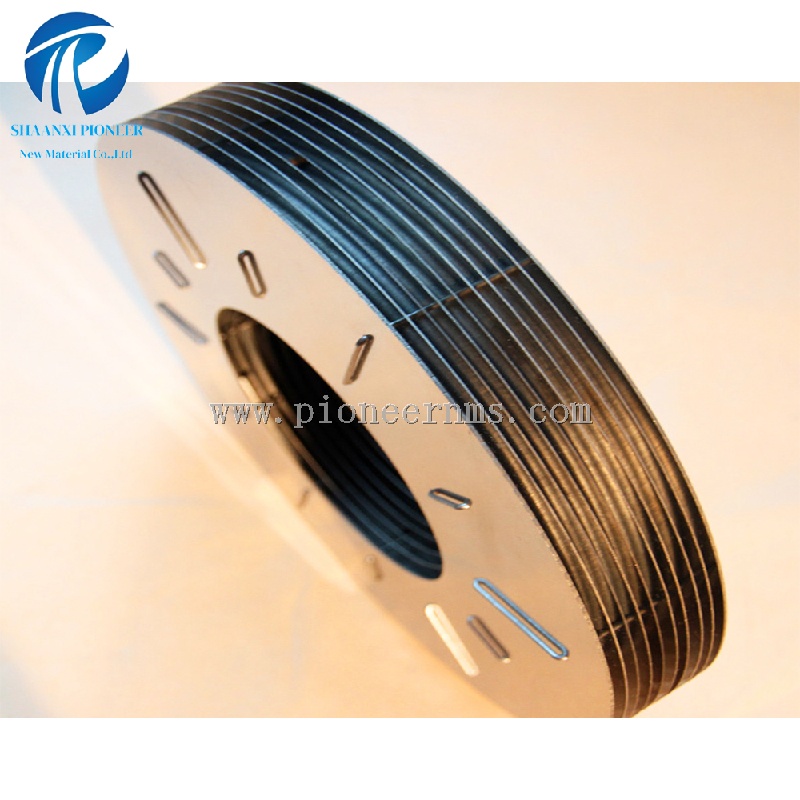
To minimize warping and extend the service life of molybdenum heating elements, furnace users should focus on:
- proper temperature control
- optimized structural support
- stable heating cycles
- high-purity molybdenum materials
- regular furnace maintenance
High-quality molybdenum components not only improve furnace stability but also reduce downtime and replacement costs over the long term.
As vacuum furnace applications continue to expand in aerospace, semiconductor, powder metallurgy, and medical industries, the demand for reliable molybdenum heating elements is also increasing rapidly.
Choosing the right molybdenum supplier and proper furnace design can significantly improve furnace performance and operational efficiency.
Post time:Sep-25-2020


