

Molybdenum vs TZM Alloy: Which One Handles Thermal Stress Better?
For vacuum furnace components operating above 2000°F (1093°C), thermal stress is the #1 cause of failure. The debate between pure molybdenum and TZM (Titanium-Zirconium-Molybdenum) alloy comes down to one question: which material withstands repeated heating and cooling without cracking?
The clear answer: TZM alloy.
Why Pure Molybdenum Fails
Pure molybdenum performs well until it reaches its recrystallization threshold (about 2000°F/1093°C). Once that happens, its ductile grain structure transforms into large, brittle grains. The material becomes glass-like—a minor thermal shock or mechanical load can cause sudden, catastrophic cracking.
This is the most common failure mode for hearth posts, load beams, and fixtures made of pure molybdenum.
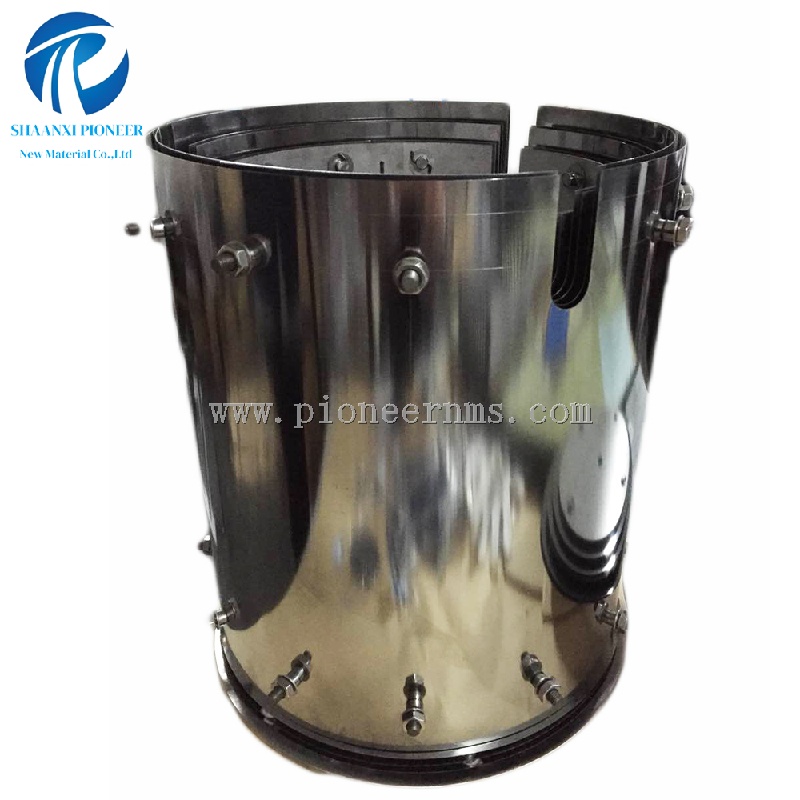
What Makes TZM Different?
TZM adds 0.4–0.5% titanium, 0.06–0.12% zirconium, and trace carbon to pure molybdenum. These elements form carbide particles that pin grain boundaries, preventing recrystallization-induced embrittlement.
Key advantages of TZM:
-
Recrystallization temperature 250°C (482°F) higher than pure molybdenum
-
Twice the tensile strength of pure molybdenum above 1100°C (2012°F)
-
Superior creep resistance – essentially zero creep at 1600°F (871°C) under 65 ksi stress
-
Can be straightened and reused, while distorted pure molybdenum usually goes to scrap
Real-World Performance
In vacuum furnace hearth assemblies, replacing pure molybdenum posts with TZM eliminates recrystallization failures and increases load capacity at operating temperatures. One case study from India's facility reported a 70% cost reduction using TZM job carriers compared to commercial alternatives.
The Bottom Line
| Application | Recommended Material |
|---|---|
| Below 2000°F (1093°C), light loading | Pure Molybdenum |
| Above 2000°F, structural/heavy loading | TZM Alloy |
TZM costs more upfront but delivers longer service life, fewer failures, and lower total cost of ownership. For demanding vacuum furnace environments, TZM handles thermal stress better—by a significant margin.
Need help selecting the right material for your furnace components? Consult your refractory metals supplier.
Post time:Sep-25-2020


