

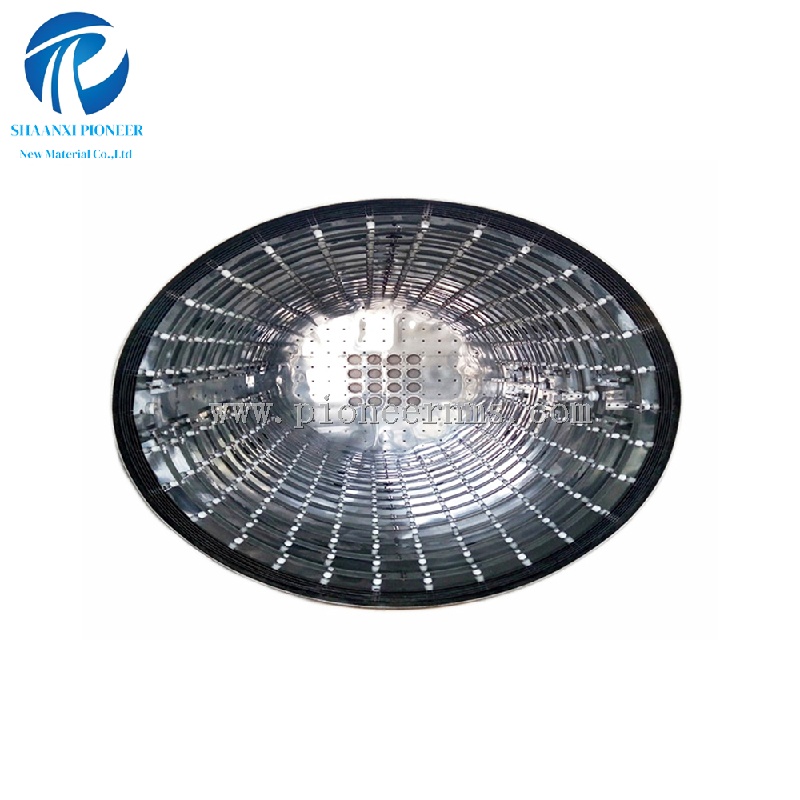
Molybdenum is one of the most widely used refractory metals in vacuum furnace applications due to its excellent high-temperature strength, low vapor pressure, and outstanding thermal stability. It is commonly used for heating elements, heat shields, threaded rods, nuts, trays, racks, and other hot zone components in vacuum heat treatment furnaces, brazing furnaces, and sintering furnaces.
However, despite its excellent performance, molybdenum parts can still experience failure during long-term operation under high temperatures and vacuum environments. Understanding these common problems and knowing how to prevent them can significantly improve furnace efficiency, extend component service life, and reduce maintenance costs.
1. High-Temperature Deformation
One of the most common issues with molybdenum furnace components is deformation after long-term exposure to high temperatures.
When operating temperatures exceed the material’s recommended limit or when structural design is insufficient, molybdenum trays, supports, or heating elements may begin to bend or sag. This problem is especially common in large-sized molybdenum parts with inadequate support structures.
How to Avoid It
- Use high-strength molybdenum alloys such as TZM instead of pure molybdenum for critical structural parts.
- Optimize the component structure and support design.
- Avoid prolonged overheating during furnace operation.
- Ensure uniform temperature distribution inside the furnace chamber.
2. Brittleness and Cracking
Molybdenum naturally becomes brittle at lower temperatures after repeated heating cycles. Improper handling during installation or maintenance can easily cause cracks, especially in thin molybdenum sheets or threaded components.
In some cases, rapid heating and cooling can also create thermal stress, leading to material cracking.
How to Avoid It
- Minimize rapid thermal cycling.
- Handle molybdenum parts carefully during assembly and maintenance.
- Use proper machining and stress-relief processes.
- Select suitable alloy grades for demanding applications.
3. Oxidation Damage
Although molybdenum performs extremely well in vacuum or inert gas environments, it oxidizes rapidly when exposed to oxygen at elevated temperatures.
Even small air leaks inside a vacuum furnace may lead to severe oxidation, discoloration, or surface damage of molybdenum heating elements and hot zone components.
How to Avoid It
- Regularly inspect vacuum sealing performance.
- Monitor oxygen levels inside the furnace chamber.
- Prevent accidental air exposure at high temperatures.
- Use protective atmosphere control when necessary.
4. Thread Failure in Molybdenum Fasteners
Molybdenum threaded rods, screws, and nuts are commonly used in vacuum furnace assemblies. However, thread wear or fracture may occur after repeated thermal expansion and contraction cycles.
Improper installation torque or inaccurate thread machining can further accelerate failure.
How to Avoid It
- Maintain precise machining tolerances.
- Avoid excessive tightening force during installation.
- Use compatible molybdenum fastener materials.
- Regularly inspect threaded connections during maintenance.
5. Surface Contamination
Contamination from furnace residues, evaporated metals, or impurities may reduce the performance of molybdenum components and affect the vacuum environment.
Surface contamination can also shorten the lifespan of heating elements and thermal shields.
How to Avoid It
- Clean furnace chambers regularly.
- Use high-purity molybdenum materials.
- Avoid cross-contamination from processed materials.
- Perform periodic inspection and replacement of contaminated components.
Why Material Selection Matters
Choosing the correct molybdenum material is critical for furnace reliability and long-term performance. Different applications may require pure molybdenum, TZM alloy, or MoLa alloy depending on operating temperature, mechanical load, and furnace atmosphere.
For high-temperature structural applications, TZM alloy is often preferred because of its improved creep resistance and mechanical strength.
Conclusion
Molybdenum products play an essential role in modern vacuum furnace systems. While these materials offer exceptional high-temperature performance, proper material selection, structural design, and maintenance are necessary to prevent premature failure.
By understanding the common failure problems of molybdenum furnace components and applying the correct preventive measures, manufacturers can improve production stability, reduce downtime, and extend the service life of critical hot zone parts.
If you are looking for customized molybdenum furnace components such as heating elements, threaded rods, nuts, trays, racks, or TZM parts, feel free to contact us for technical support and manufacturing solutions.
Post time:Sep-25-2020


