

Molybdenum heating elements are widely used in vacuum furnaces due to their excellent high-temperature strength, low vapor pressure, and outstanding thermal stability. However, one of the most common questions asked by furnace operators and maintenance engineers is:
How long do molybdenum heating elements actually last?
The answer depends on several factors, including operating temperature, furnace atmosphere, design quality, maintenance practices, and production cycles. Understanding these factors can help maximize the service life of heating elements and reduce costly downtime.
Typical Lifespan of Molybdenum Heating Elements
Under normal vacuum furnace operating conditions, molybdenum heating elements can typically last:
-
2–5 years in standard industrial applications
-
5–10 years or longer in well-maintained vacuum systems
-
Thousands of heating cycles when operated within recommended temperature limits
In many heat treatment, brazing, sintering, and powder metallurgy applications, the actual lifespan is determined more by operating conditions than by the material itself.
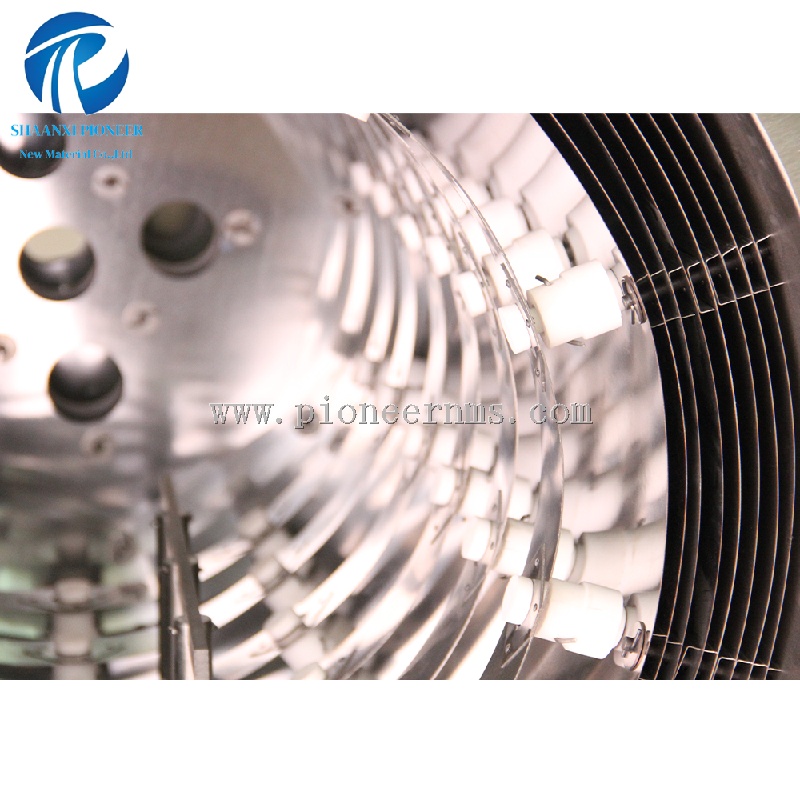
What Affects the Lifespan of Molybdenum Heating Elements?
1. Operating Temperature
Temperature is the most critical factor affecting element life.
Molybdenum performs exceptionally well in high-temperature vacuum environments, but prolonged operation near its upper temperature limits can accelerate grain growth and material deformation.
Generally:
-
Below 1600°C: Excellent service life
-
1600°C–1800°C: Moderate wear over time
-
Above 1800°C: Faster degradation and increased maintenance requirements
The higher the temperature, the shorter the expected lifespan.
2. Vacuum Quality
Molybdenum is highly resistant to heat in vacuum conditions but becomes susceptible to oxidation when exposed to oxygen.
Poor vacuum levels or air leakage may cause:
-
Surface oxidation
-
Increased brittleness
-
Reduced electrical performance
-
Premature failure
Maintaining stable vacuum conditions significantly extends heating element life.
3. Heating and Cooling Rates
Rapid thermal cycling can create thermal stress within the heating elements.
Frequent rapid heating and cooling may lead to:
-
Warping
-
Cracking
-
Joint failure
-
Mechanical distortion
Controlled ramp-up and cool-down procedures help reduce thermal fatigue.
4. Element Design and Fabrication Quality
The quality of manufacturing directly affects service life.
High-quality molybdenum heating elements feature:
-
Uniform material density
-
Precision fabrication
-
Consistent electrical resistance
-
Strong welded or mechanically connected joints
Poorly manufactured components may fail long before reaching their expected lifespan.
5. Furnace Maintenance
Routine maintenance is often overlooked but plays a major role in longevity.
Regular inspections should focus on:
-
Loose connections
-
Deformation of element supports
-
Heat shield condition
-
Vacuum system performance
-
Electrical contact resistance
Preventive maintenance can significantly reduce unexpected failures.
Common Signs That a Heating Element Needs Replacement
Operators should monitor for the following warning signs:
-
Uneven heating performance
-
Longer heating cycles
-
Visible distortion or sagging
-
Surface cracks
-
Increased power consumption
-
Difficulty reaching target temperature
Replacing worn elements before complete failure can prevent damage to other furnace components.
How to Extend the Service Life of Molybdenum Heating Elements
To maximize element lifespan, consider the following best practices:
Maintain Proper Vacuum Levels
Stable vacuum conditions minimize oxidation and contamination.
Avoid Excessive Operating Temperatures
Operate within recommended temperature ranges whenever possible.
Reduce Thermal Shock
Use controlled heating and cooling programs instead of aggressive temperature ramps.
Schedule Regular Inspections
Identify early signs of wear before they become critical issues.
Choose High-Purity Molybdenum Components
High-purity molybdenum materials generally provide better high-temperature stability and longer service life.
Why Molybdenum Remains the Preferred Material for Vacuum Furnaces
Despite demanding operating environments, molybdenum remains one of the most reliable materials for vacuum furnace heating systems.
Key advantages include:
-
Excellent high-temperature strength
-
Low thermal expansion
-
Good electrical conductivity
-
Low vapor pressure under vacuum
-
Long service life compared with many alternative materials
For applications involving heat treatment, sintering, brazing, and advanced materials processing, molybdenum heating elements continue to provide outstanding performance and cost efficiency.
Conclusion
The lifespan of molybdenum heating elements in vacuum furnaces can range from several years to over a decade, depending on operating conditions and maintenance practices.
By controlling temperature, maintaining high vacuum quality, reducing thermal stress, and selecting high-quality molybdenum components, furnace operators can significantly extend element life and lower overall operating costs.
If you are looking for custom molybdenum heating elements, molybdenum heat shields, threaded rods, fasteners, or other vacuum furnace components, working with an experienced manufacturer can help improve furnace efficiency and maximize equipment lifespan.
Post time:Sep-25-2020


