

In modern high-temperature manufacturing, vacuum heating furnaces are essential equipment for industries such as aerospace, semiconductor manufacturing, powder metallurgy, and advanced materials processing.
Among the various heating systems available today, molybdenum vacuum heating furnaces and graphite vacuum heating furnaces are the two most widely used technologies. Both systems operate under high-vacuum conditions and are designed for precise temperature control. However, they differ significantly in maximum temperature, contamination risk, heating efficiency, and application suitability.
Understanding these differences is crucial for manufacturers who want to select the most suitable vacuum heat treatment furnace for their production process.
What Is a Molybdenum Vacuum Heating Furnace?
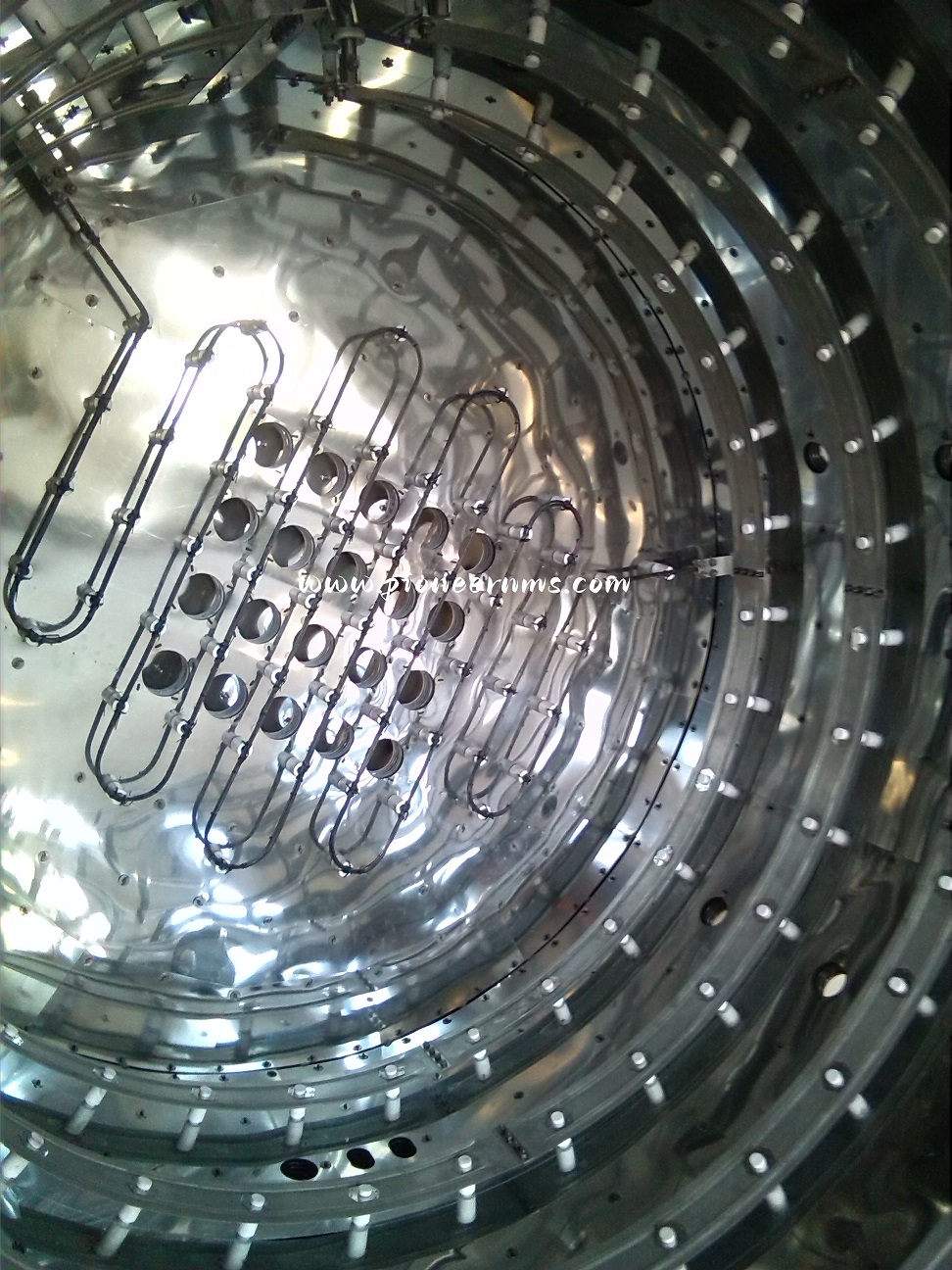
A molybdenum vacuum heating furnace uses molybdenum heating elements and molybdenum heat shields as the primary heating components. Molybdenum is a refractory metal known for its excellent high-temperature strength, low vapor pressure, and outstanding stability in vacuum environments.
Because of these properties, molybdenum is commonly used in high-purity vacuum furnaces where contamination must be strictly controlled.
Key Advantages of Molybdenum Heating Furnaces
-
Stable operation at temperatures up to 1600°C
-
Excellent temperature uniformity
-
Low contamination risk
-
Long service life under vacuum conditions
-
Ideal for precision heat treatment
Typical Applications
Molybdenum heating systems are widely used in industries requiring clean and controlled environments, including:
-
Vacuum heat treatment
-
Vacuum brazing furnace processes
-
Powder metallurgy sintering
-
Semiconductor material processing
-
Crystal growth equipment
-
Aerospace component heat treatment
These furnaces are especially suitable for materials that must avoid carbon contamination, such as titanium alloys, superalloys, and semiconductor materials.
What Is a Graphite Vacuum Heating Furnace?
A graphite vacuum heating furnace uses graphite heating elements and graphite insulation components to generate heat. Graphite is capable of operating at extremely high temperatures, making it a popular material for ultra-high-temperature vacuum furnaces.
Graphite furnaces are often preferred for processes that require temperatures significantly higher than what refractory metal heaters can provide.
Key Advantages of Graphite Heating Furnaces
-
Maximum operating temperature up to 2000°C–3000°C
-
Excellent thermal conductivity
-
Lower material cost compared with refractory metals
-
High efficiency in ultra-high-temperature processes
Typical Applications
Graphite vacuum furnaces are commonly used in:
-
High-temperature sintering furnaces
-
Ceramic material processing
-
Carbon material manufacturing
-
Crystal growth systems
-
Metal melting and refining
-
Vacuum hot pressing
However, graphite materials can introduce carbon contamination, which may affect certain sensitive materials.
Molybdenum vs Graphite Vacuum Heating Furnace: Key Differences
| Feature | Molybdenum Furnace | Graphite Furnace |
|---|---|---|
| Heating Material | Molybdenum | Graphite |
| Maximum Temperature | ~1600°C | Up to 3000°C |
| Contamination Risk | Very low | Possible carbon contamination |
| Heating Efficiency | Excellent | Excellent |
| Cost | Higher | Lower |
| Best Applications | Precision heat treatment, semiconductor industry | Ultra-high-temperature sintering and ceramics |
In general, molybdenum furnaces prioritize cleanliness and stability, while graphite furnaces prioritize temperature capability and cost efficiency.
Which Vacuum Heating Furnace Should You Choose?
Selecting the right vacuum furnace heating system depends on several key factors.
1. Temperature Requirement
If your process requires temperatures above 1800°C, a graphite heating furnace is usually necessary.
For processes below 1600°C, a molybdenum heating furnace often provides better stability.
2. Material Sensitivity
Some materials are sensitive to carbon contamination, including:
-
Titanium alloys
-
Superalloys
-
Semiconductor materials
For these applications, molybdenum heating elements are typically preferred.
3. Process Cleanliness
Industries such as semiconductor manufacturing and aerospace heat treatment require extremely clean environments.
In these cases, molybdenum vacuum furnaces offer significant advantages.
4. Operating Cost
Graphite heating systems usually have lower initial material cost, making them suitable for large-scale high-temperature industrial production.
Future Trends in Vacuum Furnace Technology
With the increasing demand for advanced materials and precision heat treatment, both molybdenum and graphite heating technologies continue to evolve.
Industries such as semiconductors, aerospace, and new energy materials are driving the development of more advanced high-temperature vacuum furnaces with improved efficiency, better temperature uniformity, and longer component life.
As a result, high-performance molybdenum components, including molybdenum heaters, molybdenum heat shields, and molybdenum furnace parts, are becoming increasingly important in modern thermal processing systems.
FAQ: Molybdenum vs Graphite Vacuum Heating Furnace
What is the maximum temperature of a molybdenum vacuum furnace?
Most molybdenum heating systems operate up to 1600°C, depending on furnace design and vacuum level.
Why do some vacuum furnaces use graphite heating elements?
Graphite can withstand extremely high temperatures, making it suitable for ultra-high-temperature processes above 2000°C.
Are molybdenum furnaces cleaner than graphite furnaces?
Yes. Molybdenum heating elements produce less contamination, which is important for sensitive materials and high-purity processing.
Which furnace is better for titanium heat treatment?
For titanium alloys, a molybdenum vacuum heating furnace is typically preferred because it avoids carbon contamination.
Conclusion
Both molybdenum vacuum heating furnaces and graphite vacuum heating furnaces play critical roles in modern high-temperature processing industries.
-
Molybdenum furnaces offer cleaner environments and superior stability.
-
Graphite furnaces provide extremely high temperature capability and lower cost.
Choosing the right furnace ultimately depends on temperature requirements, material compatibility, and process purity standards.
Post time:Sep-25-2020


