

The Science Behind the Heat
At the heart of it, these elements work on a simple but powerful principle: resistance heating. When electricity flows through the molybdenum elements, their natural resistance transforms electrical energy directly into intense, controllable heat. What's particularly interesting is that molybdenum gets more resistive as it heats up.
Why Vacuum Matters
The vacuum environment isn't just empty space - it's what makes the whole process possible. Without oxygen, our molybdenum elements can reach temperatures up to 2000°C without oxidizing. Plus, in the near-perfect vacuum, heat transfers purely through radiation, creating the cleanest possible processing environment for sensitive materials.
Engineered for Performance
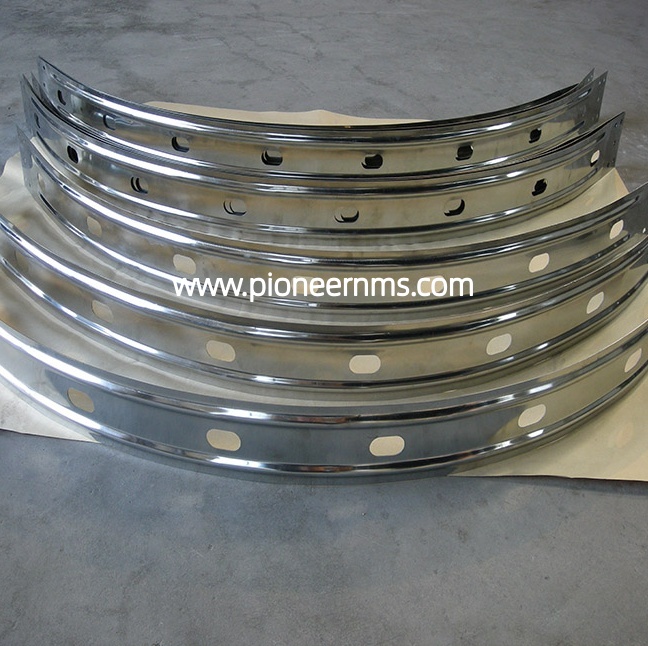
We design these elements to work smarter, not just harder. By arranging them in precise U-shaped or spiral configurations, we create perfectly uniform hot zones. The elements themselves are marvels of material science - maintaining strength when other metals would sag, keeping their shape through brutal thermal cycles, and resisting evaporation better than alternatives.
The Bottom Line
For manufacturers who can't compromise on quality, molybdenum heating elements deliver what others can't: clean, precise, and reliable high-temperature processing. They're not just components - they're the heart of your most critical thermal processes.
Post time:Sep-25-2020


